

Why Hanging Outdoor Planters Are Sneaking Onto Every Patio This Spring
Patio Pinterest in the past month has had one quiet shift — the eye level is going up. The patios getting saved aren't the ones with bigger furniture or trendier rugs. They're the ones using vertical space: planters dangling from pergola beams, trios of pots stacked up walls, herbs dropping over railings, ferns hanging beside doors. The look is both cottage-y and modern at once, and it solves a real problem too. Most patios are limited by floor space. Going up adds layers, softness, and that lush "where do I sit" feeling without sacrificing a single square foot of ground.
Below is the walk-through I'd give a friend asking how to actually do this on her own patio. Five zones, the hardware that makes each one work, and a quick "put it together" note at the end so you don't end up with seven hooks and no plan.
The Pergola or Awning Zone
If you have a pergola, an awning, or even just a covered porch with exposed beams, this is where the look starts. Macrame hangers from a pergola are the single most-pinned patio image of the season — they soften the geometry of the wood, add shade, and frame the seating area from above without being heavy.
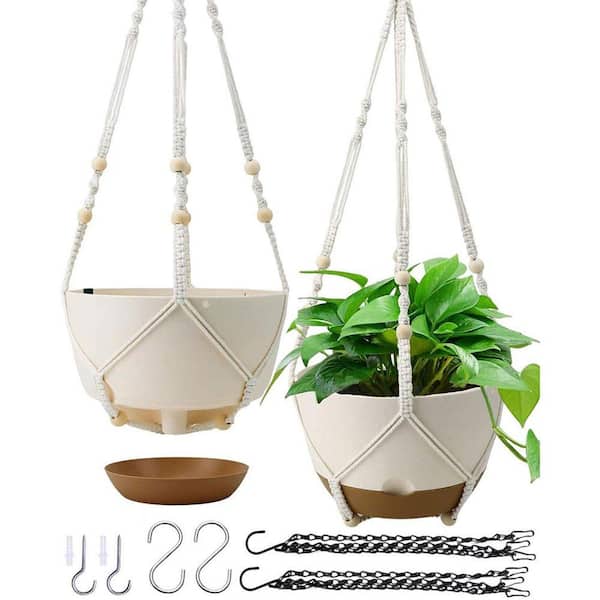
Macrame Hanging Planter Set (Set of 4)
$32
Set of 4 cotton macrame hangers in varied lengths (24, 32, 40, 48 inches). Holds pots up to 6 inches. Beaded detail, sturdy wooden ring at top. Indoor or covered outdoor use.
Vary the lengths. That's the rule that makes this zone work. Hanging four pots at the exact same height looks like a curtain rod. Staggering them at 24, 32, 40, and 48 inches creates a cascading line that draws the eye down to the seating. Use trailing plants — pothos, string of pearls, ivy, ferns — for the longest hangers so the green keeps moving downward.
The Wall Above the Patio Set
Most patios have a blank exterior wall behind the dining table or sofa, and that wall is the second-most-wasted real estate in any backyard. A wall-mounted trio of planters fills it with greenery without adding floor furniture, and it solves the "what goes above the couch" problem outside the same way a gallery wall solves it inside.
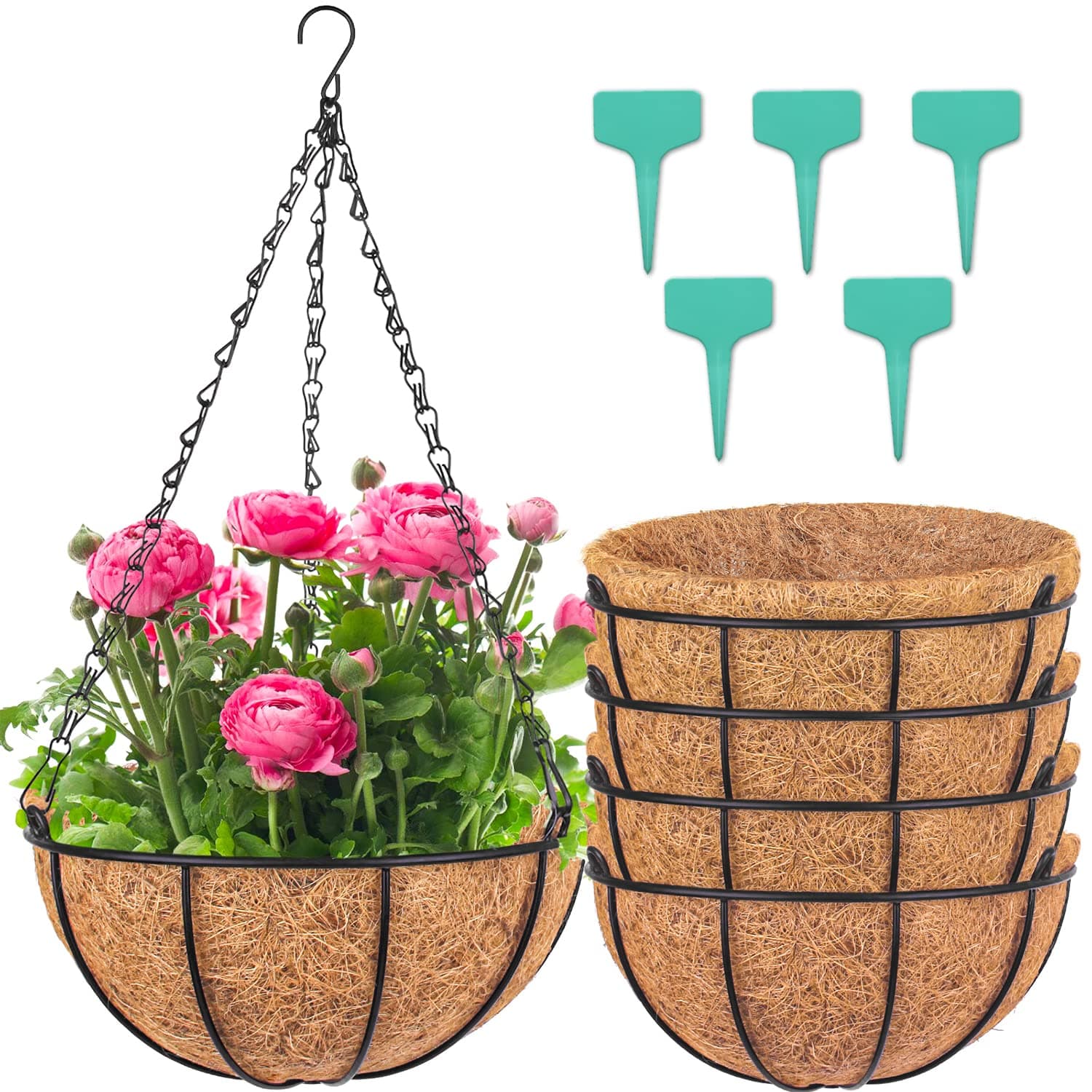
Wall-Mount Hanging Planter Trio
$45
Set of 3 metal wall-mount planters in graduated sizes (8, 10, 12 inch). Powder-coated black finish, drainage holes included. Mounting hardware in box.
Mount the trio at varying heights — not in a straight horizontal line. Think of it as a flower arrangement on the wall: the largest planter goes lowest, the smallest highest, with the middle one offset. Use exterior screws and find a stud or a masonry anchor; trailing plants get heavier than they look once the soil is wet. Herbs are a great fill for this zone because they're at picking height.
The Railing Line
If your patio has a railing — deck, balcony, porch — railing-mount planter boxes are the highest-impact addition you can make for the lowest install effort. They turn the railing from a barrier into a planted edge, and they don't take up any patio floor space at all. This is the zone where Pinterest patios consistently look fuller than the same patio without it.
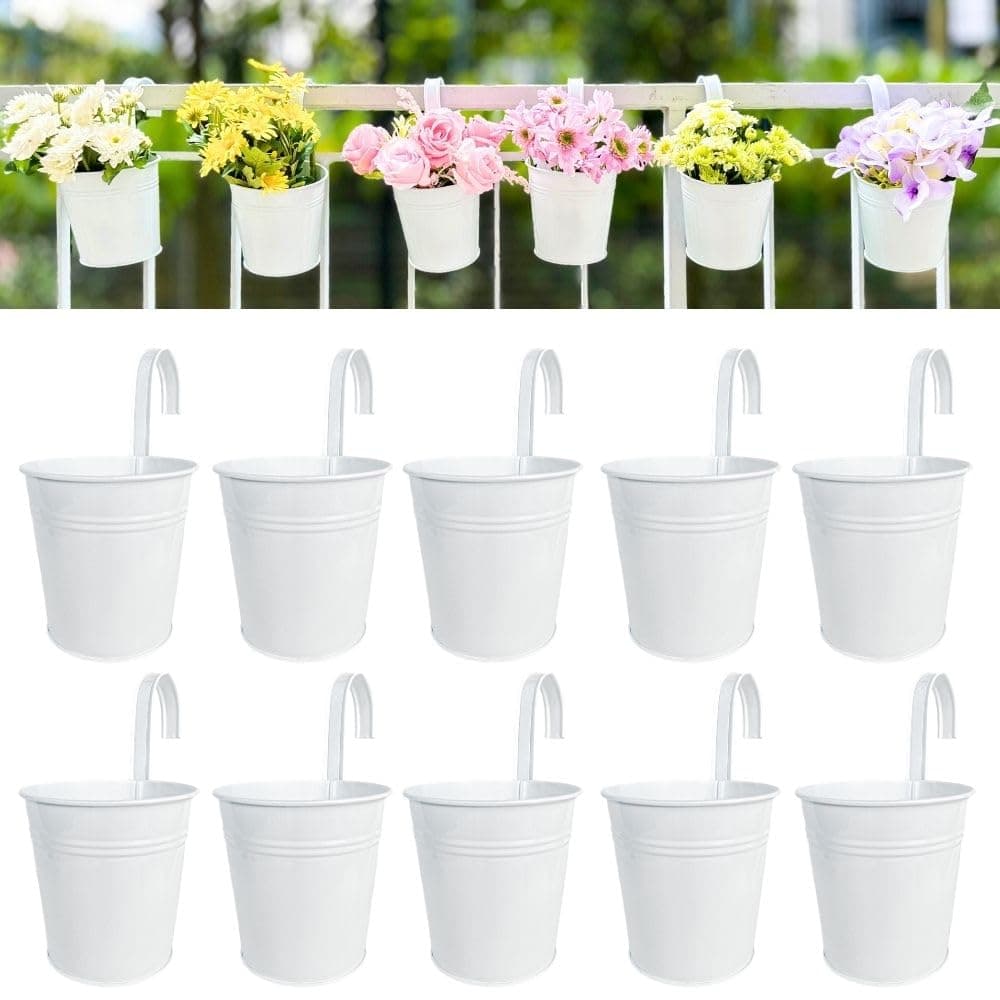
Railing-Mount Planter Box (Set of 2)
$48
Pair of 16-inch railing planters with adjustable brackets fitting railings 2-5 inches wide. Powder-coated steel construction with drainage tray. No drilling required.
The no-drilling brackets are the feature to look for — they clamp onto the railing top and adjust to width, which means apartment renters can do this without permission. Plant trailing flowers (petunias, calibrachoa, sweet potato vine) so the color pours over the outside edge of the railing where neighbors and street view see it. From the inside of the patio, you get the planter's foliage at sitting eye-level.
The Door Frame and Eave Hooks
The fourth zone is the one most people forget exists. Door frames and roof eaves can hold lightweight hanging plants on the right hardware, and that one detail changes how the whole patio reads as you walk into it. A pair of fern baskets flanking a back door is one of those small moves that makes a patio feel "finished."
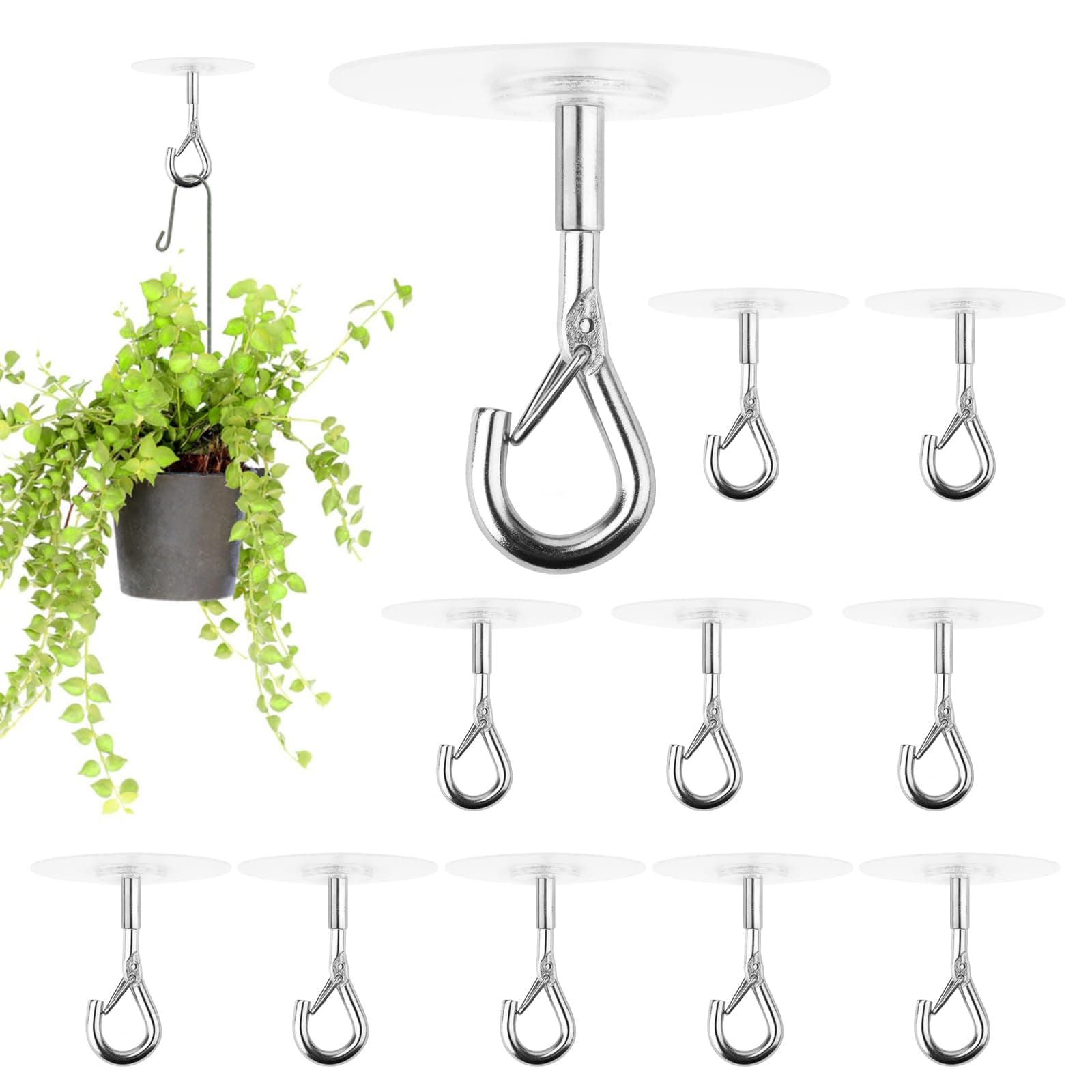
Outdoor Ceiling Hooks with Chain Set
$22
Set of 4 heavy-duty stainless steel ceiling hooks with 24-inch chain extensions. 50 lb weight rating each. Includes screws, anchors, and chain swivels for easy plant rotation.
The chain extensions matter because they let you rotate the plant a quarter turn every week or two — that's how you keep hanging plants from getting lopsided as they grow toward the sun. Anchor the hooks into a beam or rafter, not into drywall ceiling. A 50 lb rating sounds excessive but a wet hanging basket can hit 15-18 lbs, and you don't want a swing in the wind to be the moment you find out the hardware was undersized.
The Floor Anchor That Pulls It All Together
A patio with hanging plants and zero floor weight starts to feel like a stage set — too much going on overhead with nothing grounding it. One large floor planter with a tall plant inside is the anchor that ties the vertical layers together. Without it, the eye floats; with it, the whole space settles.
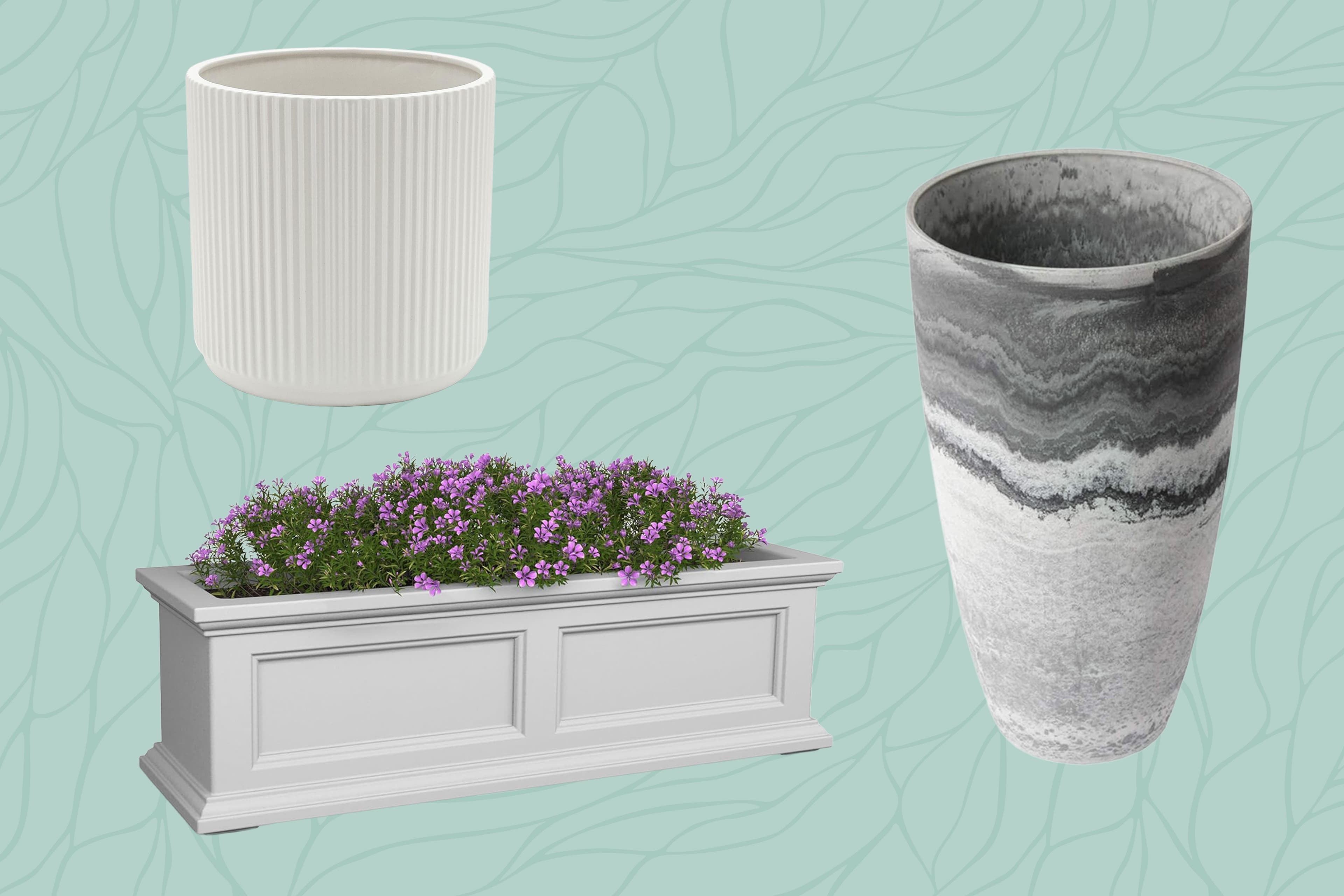
Large Outdoor Floor Planter (24-inch)
$56
24-inch wide modern outdoor planter in fiberstone with weathered finish. Drainage hole, frost and UV resistant. Holds tall plants up to 6 feet (cypress, fiddle leaf, palms).
Place the floor anchor at the corner of the patio that has the least going on overhead — usually opposite the seating zone. Tall plants work best inside it: a small olive tree, a cypress, a tropical palm, or even a fig in summer. The visual weight of one big planter does more for the patio than five medium ones scattered around.
How to Put It All Together
Don't buy everything at once. Start with one zone — usually the pergola or the railing line, whichever you have — and live with it for two weeks before adding the next. Hanging plants are weight you'll be watering, rotating, and replacing seasonally, so build the habit slowly. The patios that look effortless on Pinterest are usually the ones where the owner added one vertical element each season instead of installing the whole vertical garden over a weekend.
The other quiet thing about this trend is that it forgives a smaller patio. You don't need an outdoor sectional to make this work — a bistro table and two chairs surrounded by hanging greenery looks more lush than a giant patio set with a single sad citronella candle in the middle.
Frequently Asked Questions
Are hanging planters safe on a pergola or awning?
Yes, if you anchor into structural wood or use rated hooks for the surface. A wet hanging basket weighs 12-18 lbs, well within most outdoor hook ratings (typically 35-50 lbs). Avoid hanging from gutters, lattice screens, or thin trim — those aren't structural.
What plants work best for hanging outdoor planters?
Trailing plants for impact: petunias, calibrachoa, sweet potato vine, ivy, and creeping jenny in sun; ferns, pothos, and ivy in shade. Avoid heavy-rooted plants like geraniums in hanging setups — they get top-heavy and tip in wind.
How often do hanging plants need watering?
Daily in hot weather, every other day in mild weather. Hanging baskets dry out faster than ground plants because they're exposed to wind on all sides. Self-watering hanging planters with reservoirs cut watering frequency to every 3-5 days.
Can renters install hanging planters?
Yes. No-drill railing planter boxes clamp onto existing railings. Tension rods between awning posts hold lightweight macrame hangers. Free-standing plant stands with hooks let you create a vertical garden zone without touching walls or ceilings.
What's the cheapest way to add vertical greenery to a patio?
A four-pack of macrame hangers ($32) plus four small pots and four plants from a garden center ($30-40) — total under $80 for an entire pergola or awning zone. The macrame is the lifetime piece; just replace the plants seasonally.
Affiliate Disclosure
This post contains affiliate links. Haven & Home may earn a commission on purchases made through these links, at no extra cost to you. We only recommend products we genuinely love.
You Might Also Love
 Seasonal
Why Pleated Outdoor Lanterns Are Replacing String Lights This Summer
String lights had a long run. The 2026 patio swap is sculptural pleated and ribbed lanterns, and they're showing up everywhere.
 Seasonal
The Mother's Day Spa Basket Husbands Keep Asking Me About
If you're realizing it's almost Mother's Day and a CVS gift card isn't going to cut it, here's the spa basket husbands keep texting me about. Five problems, five fixes.
 Seasonal
A Renter's Guide to a Memorial Day Cookout in a Tiny Backyard
Hosting a Memorial Day cookout in a 200-square-foot rental backyard? Here's the renter-friendly playbook for every problem you'll hit.