

The Bug-Repelling Outdoor Plants I Haul Out Every May
Every May, on the first warm weekend, I do a ritual. I go to the garden center, load up the cart with the same six or seven plants, and spend a Saturday arranging them on my back patio. It's not just a planting day, it's a bug-prevention strategy. Without these plants, mosquito season on my screened-in porch is a nightmare by June. With them, I can sit outside for three hours on a July evening without getting bit once.
I didn't always believe plants could do anything real against bugs. I assumed it was a myth you tell yourself at a garden center to justify buying more plants. Then one summer I skipped the citronella pots because I was moving, and the difference was undeniable. The side of the house without the plants had mosquito swarms at dusk. The side with the plants had almost none.
Five years in, I've narrowed down to the lineup that actually works. Some I buy fresh every year, some I overwinter and bring back out. Here's what goes where, and why.
The One That Actually Works
If I could only have one bug-repelling plant, it would be lavender. Not just because it works, but because it works in more places than the others. Mosquitoes, flies, and moths all hate it, and unlike citronella it smells great to humans instead of like a chemical candle.
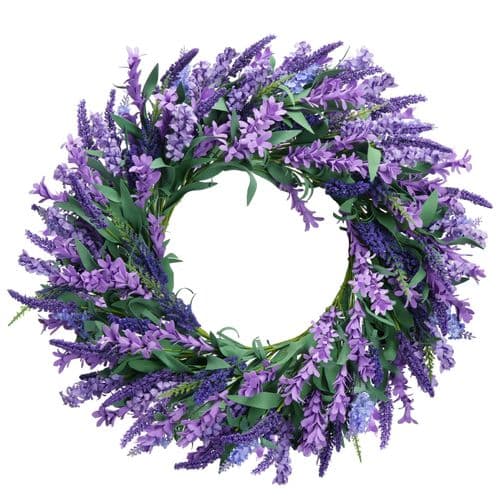
Potted English Lavender Plant Live
$18
Live English lavender plant in 6-inch nursery pot. 10-12 inches tall at shipping. Hardy perennial, USDA zones 5-9. Blooms purple flowers May through August. Drought tolerant.
Live lavender shipped in a nursery pot is the best way to get started. Seeds take two full seasons to reach flowering, which defeats the purpose if you want bug protection this summer.
If I'm being honest, the English variety is what you want for bug protection. The French lavender has prettier flowers but much less of the scent compounds that repel insects. English lavender is the bug-repelling workhorse.
I keep one or two pots right next to the sliding door to the patio. Brushing against the leaves as you walk in releases the scent, which lingers in your clothes for a while and keeps bugs off you too.
The Citronella Plant Myth (and the Truth)
You've probably seen "citronella plants" at garden centers. Here's the honest truth: those are actually scented geraniums, and they don't produce enough citronella oil to do much on their own. What actually contains citronella is a grass (lemongrass family), and those are harder to find as potted plants.
I still buy the scented geranium because it has a mosquito-repelling effect when you crush or brush the leaves, just not the plant-sitting-there-passively effect you'd hope for. I put it within arm's reach of my chairs so I can rub a leaf between my fingers.

Citronella Scented Geranium Plant
$22
Live citronella-scented geranium (Pelargonium citrosum) in 6-inch pot. Reaches 2-3 feet in a season. Pink flowers. Sun to partial shade. Annual in most zones.
Set expectations correctly: the plant by itself does a little, but the real magic is rubbing a leaf on your wrists before sitting down. That's where the actual mosquito-repelling effect happens.
I pair these with a real citronella candle for layered protection.
What I Plant Around the Seating Area
Lemon balm is the one I tell everyone about because it's the easiest plant I've ever grown. You will not kill it. You will, in fact, have to fight to keep it contained because it spreads like mint. The mosquito-repelling properties come from the citronellal in its leaves, which is chemically similar to what's in commercial repellents.
Lemon Balm Herb Plant Live
$14
Live lemon balm plant in 4-inch pot. Hardy perennial in zones 4-9. Spreads vigorously. Citronellal leaves repel mosquitoes. Edible and usable in tea and cocktails.
Plant lemon balm in a pot, not the ground, unless you want it everywhere forever. I learned this the hard way. In a pot it stays contained and easy to harvest. In the ground it becomes a perennial weed that will outlive you.
Bonus: you can use the leaves in lemonade, gin and tonics, or tea. I muddle a few leaves in a summer cocktail every week.
The Herb Corner
Basil and rosemary are both bug-repelling herbs that I keep in pots near the patio table, partly for the scent, partly because I cook with them constantly. Two birds, one stone.
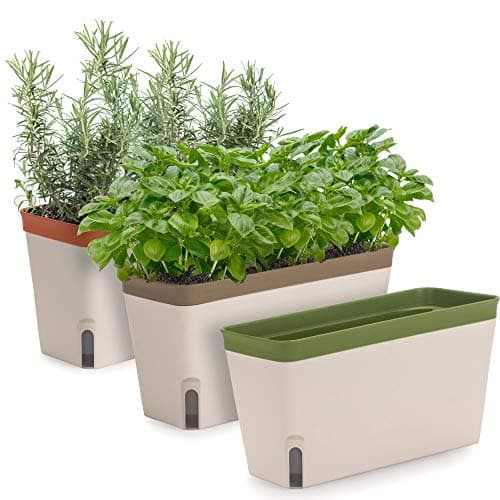
Potted Basil Plant Sweet Genovese
$12
Live sweet Genovese basil in 4-inch pot. 6-8 inches tall. Repels flies and mosquitoes. Needs 6+ hours of sun. Pinch regularly for bushier growth. Annual.
Basil works surprisingly well against flies, especially around outdoor dining tables. Put a pot in the center of the patio table during cookouts and you'll see a noticeable drop in fly activity.
Pinch the flowers off when they start forming, otherwise the plant diverts energy from leaves to seeds and becomes less aromatic.
Potted Rosemary Plant Live
$16
Live rosemary plant in 6-inch pot. 8-10 inches at shipping. Perennial in zones 7-10, annual elsewhere. Evergreen woody herb. Repels mosquitoes when leaves are burned or brushed.
Rosemary's bug-repelling compounds release when you crush the leaves or when the plant gets warm in the sun. Placement matters: put it where sunlight hits it, not in a shaded corner.
The other thing I do with rosemary, and this works surprisingly well, is toss a few sprigs on the charcoal grill. The smoke that comes off is strongly mosquito-repelling for about an hour in a 10-foot radius. It's my secret weapon for outdoor dinners in July.
Marigolds Around the Perimeter
Marigolds go around the edges of the patio, not in the middle where you're sitting. The scent they put off is pretty strong and, being honest, not everyone likes it. But they're the single best plant for creating a "bug perimeter" around a seating area.
Marigold Seeds Variety Pack Bug Repelling
$9
Pack of 500+ marigold seeds (French, African, and signet varieties). Plant direct in soil or start indoors. Blooms 6-8 weeks after planting. Annual in all zones. Repels mosquitoes, aphids, and rabbits.
Seeds are the way to go because marigolds germinate in a week and bloom in 6-8 weeks. By July you'll have a full perimeter, and you'll have spent $9 instead of $60 on 20 nursery plants.
The French marigolds (shorter, bushier) are the better mosquito repellers than the taller African variety. Plant them about 6 inches apart around the edge of your patio or along the railing planters.
How I Group Them
Order matters. After five years of trial and error, here's the layout that works best for my space:
- Right next to the door: Lavender pots (they get brushed against as you come and go, releasing scent)
- Center of the patio table: A pot of basil (repels flies at dinner)
- Next to each chair: Scented geranium for leaf-rubbing
- Back corner: Lemon balm in a contained pot (grows fast, stays out of the way)
- Along the railing: Marigolds and rosemary (sunniest spot, creates perimeter)
Bring lavender and rosemary indoors before first frost if you want them to survive the winter. Marigolds, basil, scented geranium, and lemon balm I either overwinter (lemon balm only) or re-buy each spring.
What I'd Buy First If I Were Starting Over
If I were starting from zero today, the first plant I'd buy is lavender. It's the most reliable, most fragrant, most versatile of the bug-repellers, and it lasts multiple years if you plant it in zones 5-9. One lavender plant for $18 does more work than three of anything else.
After lavender, I'd add marigolds (from seed, $9) for the perimeter, then basil and rosemary for the table area ($28 combined). That's $55 for a full bug-repelling starter kit that will see you through the whole season.
The scented geranium and lemon balm are nice additions, but you can skip them the first year and see if you need more firepower by July. For a lot of patios, the core lavender-basil-rosemary-marigold combo is enough.
One last thing I've learned the hard way: bug-repelling plants don't replace the need for any repellent, especially at dawn and dusk when mosquito activity peaks. They reduce the baseline by maybe 60-70%, which is the difference between "unbearable" and "totally fine," but you'll still want citronella candles or a rub-on repellent for the worst 30 minutes of each evening.
Found something you love? Pin this for later so you don't lose it!
Affiliate Disclosure
This post contains affiliate links. Haven & Home may earn a commission on purchases made through these links, at no extra cost to you. We only recommend products we genuinely love.
You Might Also Love
 Seasonal
Why Pleated Outdoor Lanterns Are Replacing String Lights This Summer
String lights had a long run. The 2026 patio swap is sculptural pleated and ribbed lanterns, and they're showing up everywhere.
 Seasonal
The Mother's Day Spa Basket Husbands Keep Asking Me About
If you're realizing it's almost Mother's Day and a CVS gift card isn't going to cut it, here's the spa basket husbands keep texting me about. Five problems, five fixes.
 Seasonal
A Renter's Guide to a Memorial Day Cookout in a Tiny Backyard
Hosting a Memorial Day cookout in a 200-square-foot rental backyard? Here's the renter-friendly playbook for every problem you'll hit.