

The Best Mosquito Repellent Plants for Patios and Front Porches
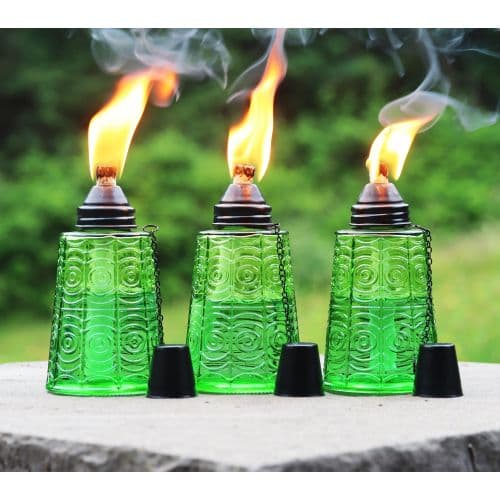
Citronella torches mask 30 minutes' worth of mosquitoes. The right plants buy you the whole evening. The catch is that "the right plants" is not a single answer — it depends on whether your porch gets blasted with afternoon sun, sits in dappled shade, or lives in pots on a third-floor balcony. The plants below are ranked the way I'd actually pick them: by situation, not by some generic "top 10" list.
A note on expectations. No plant is a force field. What these do is interrupt the mosquito's ability to find you by saturating the air around you with scent compounds (citronellal, linalool, eugenol) that scramble their CO2-tracking. Cluster three to five of them together near where you sit and the effect is real. One sad pot in the corner won't do much.
What to Look For in Mosquito-Repelling Plants
- Hardiness zone match. Most repellent plants are perennials in zones 8-10 and annuals everywhere else. Don't pay for a "live lavender plant" if you're in zone 5 expecting it to come back next year — buy seeds or accept it as a one-season pot.
- Sun needs. Citronella, marigold, and rosemary want six-plus hours of direct sun. Basil and lemon balm tolerate part shade. Lavender hates shade and will get leggy.
- Scent strength when crushed. The repellent effect comes from the oils released when leaves are bruised. A plant that smells strongly when you rub a leaf will work. A plant that just smells faintly green won't.
- Container size. Most of these need at least a 12-inch pot to perform. Tiny pots dry out, stress the plant, and weaken the oil production that makes them effective in the first place.
Our Top Picks by Situation
Best for Full Sun Patios
Citronella geranium (the actual mosquito plant most people picture) is the heavy hitter for sunny patios. It's tropical, so treat it as an annual unless you're in zone 9 or 10, but the leaves smell exactly like the candles when crushed and it grows two to three feet tall in a season.
Live Citronella Mosquito Plant (Citrosa Geranium)
$24
Live citronella-scented geranium, ships 6-10 inches tall in nursery pot. Full sun, water when top inch is dry. Grows to 2-3 feet in a season. Pet-safe and non-toxic.
Place this within four feet of where people sit. Brush a leaf when you walk past — that releases the oil and refreshes the scent zone. One mature plant covers a small bistro table area. For a larger patio, plan on three plants spaced around seating.
Best Shade-Tolerant Pick
Lemon balm is the workhorse for porches that don't get full sun. It's a mint relative, smells like lemon Pledge in the best way, and tolerates part shade better than any other plant on this list. Crush a handful of leaves between your palms before guests arrive and the porch fills with citrus scent.
Live Lemon Balm Plant in Pot
$18
Live lemon balm (Melissa officinalis) in 4-inch nursery pot. Part sun to part shade. Hardy in zones 4-9, returns yearly. Edible — use leaves in tea, cocktails, or as garnish.
Warning: lemon balm spreads aggressively if you put it in the ground. Keep it in a pot. The repellent effect is genuinely strong and the plant doubles as a tea ingredient — pick a few leaves, steep, done.
Best in a Pot
Basil is the most underrated repellent plant on this list because everyone thinks of it as a kitchen herb. It's both. A large pot of basil near your seating area works as well as citronella for many people, and you get pesto out of the deal. The varieties to look for are sweet basil and Thai basil — the higher the eugenol content, the stronger the effect.
Basil Plant Set (3 Varieties, Live)
$28
Set of 3 live basil plants — sweet, Thai, and lemon basil. Full to part sun, well-drained soil. Pinch flowers to keep leaves producing. Annual in most zones.
Group all three pots together for a noticeable scent zone. Pinch off the flower spikes the moment they appear or the plant goes to seed and the leaves get bitter. Basil hates cold soil — wait until nighttime temps stay above 55 to put it outside.
Best for Front Porches
Marigolds are the front porch pick because they bloom for months, repel mosquitoes through the scent of pyrethrum in the leaves and roots, and look intentional in a way most herb plants don't. The starter set lets you fill a long porch railing or two flanking pots without buying twelve individual plants.
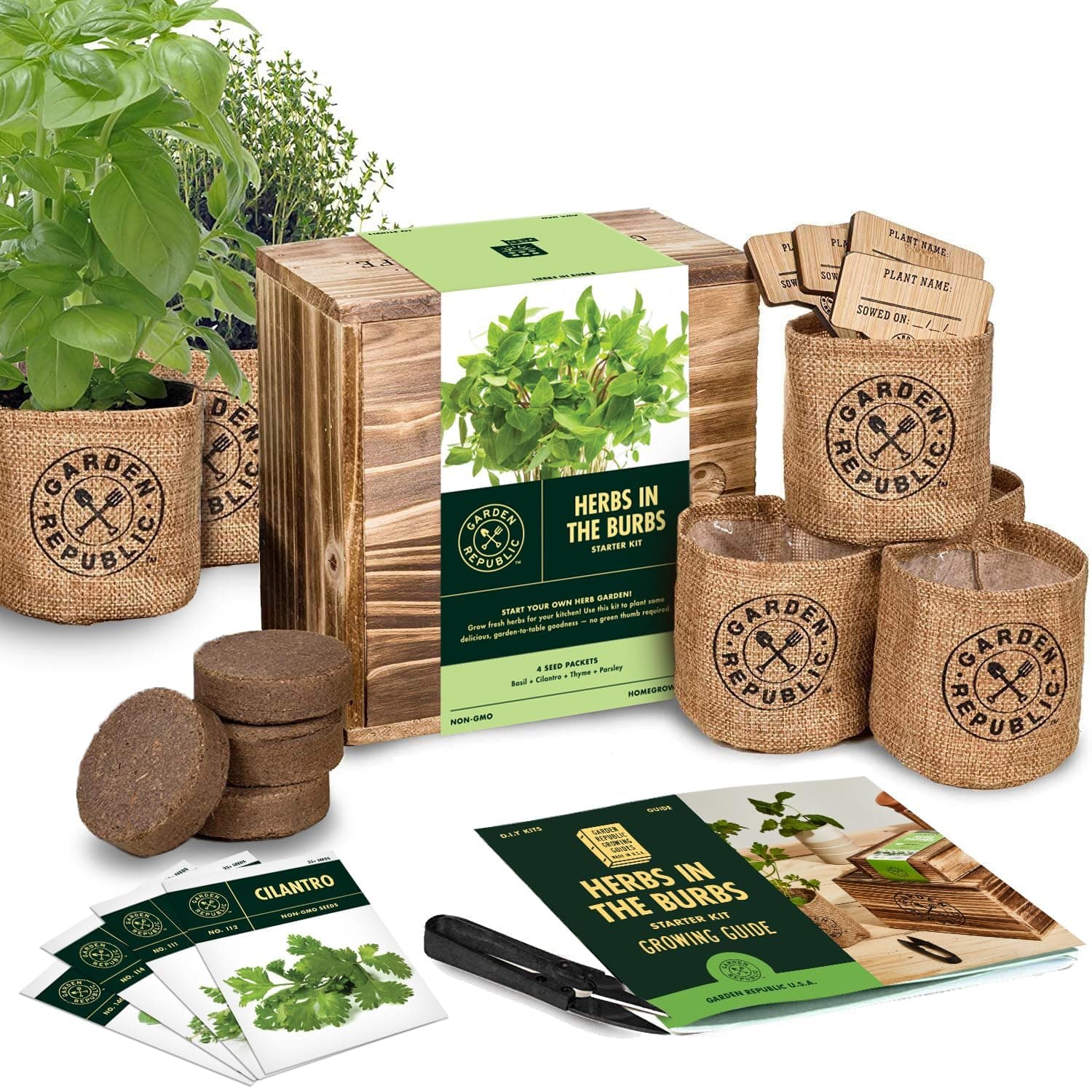
Marigold Seed Starter Kit (4 Varieties)
$22
Heirloom marigold seed kit with 4 varieties — French, African, Signet, and Crackerjack. Includes peat pellets, dome tray, and grow guide. Direct sow or start indoors.
The seed route is the smart move for marigolds because they germinate fast (5-7 days) and a $22 kit gives you 50+ plants for the cost of three established plants from a nursery. Start them indoors six weeks before last frost or direct-sow once soil is warm. They handle heat and neglect better than nearly anything else on this list.
Best for Beginners
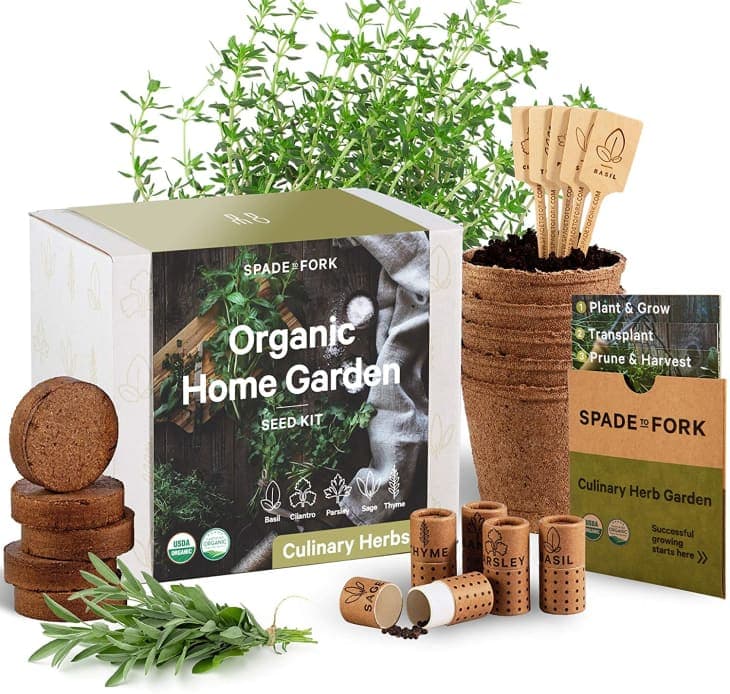
Lavender is the prettiest plant on this list and also the one most people kill. The trick is that lavender wants exactly the conditions most porch plants don't get: bone-dry soil, full sun, and zero humidity around the roots. A lavender seed kit lets you start cheap, learn what works in your spot, and scale up next year.
Lavender Seed Starter Set with Pots
$20
Heirloom English lavender seeds with biodegradable starter pots, soil pellets, and grow instructions. Cold-stratify seeds before sowing for best germination. Hardy zones 5-9.
The cold-stratify step is non-negotiable — pop the seeds in the fridge in a damp paper towel for two weeks before sowing or germination rates tank. Once established, lavender is one of the most reliable repellent plants because the dried flowers retain scent for years. Cut and bundle in late summer.
Best Underrated Pick
Rosemary in topiary form (a small lollipop-shaped tree) is one of the most stylish plants you can put on a front porch, and it's a strong mosquito repellent that most people overlook. Brush against it walking past your door and the scent lasts for hours. Hardy enough to overwinter outside in zones 7+.
Rosemary Topiary Live Plant
$32
Live rosemary plant trained as small topiary, 12-15 inches tall in 6-inch pot. Full sun, well-drained soil. Hardy outdoors in zones 7-10. Bring inside for winter in colder zones.
Two of these flanking a front door is one of the cheapest "designer porch" upgrades you can make, plus you get fresh rosemary for cooking. The topiary form needs a haircut twice a year to stay shaped — small kitchen scissors work fine. Don't overwater. Rosemary dies from wet roots faster than from anything else.
How to Choose
If you only buy one, get the citronella plant for a full-sun patio or lemon balm for a shaded porch. If you have $80 to spend, buy a citronella, a basil set, and a rosemary topiary and group them within four feet of where people sit. The grouping matters more than the variety — a single plant in a pot across the patio is decorative, not functional. Three plants together are a scent zone that mosquitoes actively avoid.
Frequently Asked Questions
Do mosquito-repellent plants actually work?
Yes, but with caveats. The repellent effect comes from oils released when leaves are crushed or brushed, so the plants only work in a small radius (3-5 feet) and only when the leaves are activated. Cluster 3-5 plants near seating and brush them periodically for the strongest effect.
What is the strongest mosquito-repelling plant?
Citronella geranium has the highest concentration of citronellal among common porch plants, but lemon balm and basil are close behind and tolerate more conditions. For raw scent strength, the citronella plant wins. For practical use across more situations, basil and lemon balm are more flexible.
Will mosquito plants survive winter on a porch?
Most won't. Citronella, basil, and most marigolds are annuals and die at first frost. Lavender, rosemary (zones 7+), and lemon balm are perennials that come back if planted in the ground or overwintered in a sheltered spot. In containers, bring perennials inside or insulate the pots.
Do these plants repel mosquitoes inside the house?
Modestly. Indoor air doesn't move much, so the scent radius is smaller. A pot of basil or lemon balm in a sunny kitchen window will help with the few mosquitoes that get inside, but it's not a substitute for screens or a citronella diffuser indoors.
What size pot do mosquito plants need?
At least 12 inches in diameter for full-grown plants. Smaller pots dry out fast, stress the plant, and reduce oil production (which is the whole point). For citronella and rosemary, go bigger — 14 to 16 inches gives them room to grow large enough to actually scent the air.
Affiliate Disclosure
This post contains affiliate links. Haven & Home may earn a commission on purchases made through these links, at no extra cost to you. We only recommend products we genuinely love.
You Might Also Love
 Seasonal
Why Pleated Outdoor Lanterns Are Replacing String Lights This Summer
String lights had a long run. The 2026 patio swap is sculptural pleated and ribbed lanterns, and they're showing up everywhere.
 Seasonal
The Mother's Day Spa Basket Husbands Keep Asking Me About
If you're realizing it's almost Mother's Day and a CVS gift card isn't going to cut it, here's the spa basket husbands keep texting me about. Five problems, five fixes.
 Seasonal
A Renter's Guide to a Memorial Day Cookout in a Tiny Backyard
Hosting a Memorial Day cookout in a 200-square-foot rental backyard? Here's the renter-friendly playbook for every problem you'll hit.