

A Beginner's Guide to Mixing Bedroom Textures Like a Designer
Have you ever looked at a bedroom in a magazine or a home tour and thought — why does that look so good, and mine looks like I just moved in? The furniture might be similar. The colors might even be similar. But theirs looks layered and warm and finished, and yours feels like it's missing something.
The missing thing is almost always texture. Not more objects, not better furniture — just a deliberate variety of surfaces and fabrics working together. A flat bedroom is a boring bedroom, even if every individual piece is nice. A layered bedroom has something for the eye to land on at every scale: the soft matte linen of the pillowcases, the dimensional knit of the throw blanket, the smooth coolness of a silk accent pillow. They're all different, and that difference is the whole point.
Here's what you need to know to start mixing textures in a bedroom without it looking chaotic.
What to Look For in Texture Mixing
The goal isn't to collect every texture — it's to create contrast. Contrast between smooth and rough, between matte and sheen, between structured and relaxed. Two or three different textures done well looks more intentional than five textures done randomly.
The simplest framework: anchor with one large-scale texture (usually the bedding), accent with one medium-scale texture (a throw or lumbar pillow), and finish with one small-scale texture (a faux fur pillow, a knit cushion). Within each layer, stay in the same general color family — neutral or near-neutral — and let the surface quality do the work.
One common mistake is buying items that are too similar in texture. A cotton duvet and a cotton blanket folded at the foot of the bed reads as one layer, not two. You need genuine surface contrast for the layering to register.
Best Linen Pick: The Everyday Foundation
Linen is the best starting texture for a bedroom because it has built-in visual interest — the slightly uneven weave creates a natural dimensional texture that looks effortlessly styled even when it's flat on the bed — and it regulates temperature better than any synthetic fabric.
Stone-washed linen especially has a slightly rumpled quality that's the opposite of the hospital-bed look that comes from overly tight, crisp cotton. The more you wash it, the better it looks.
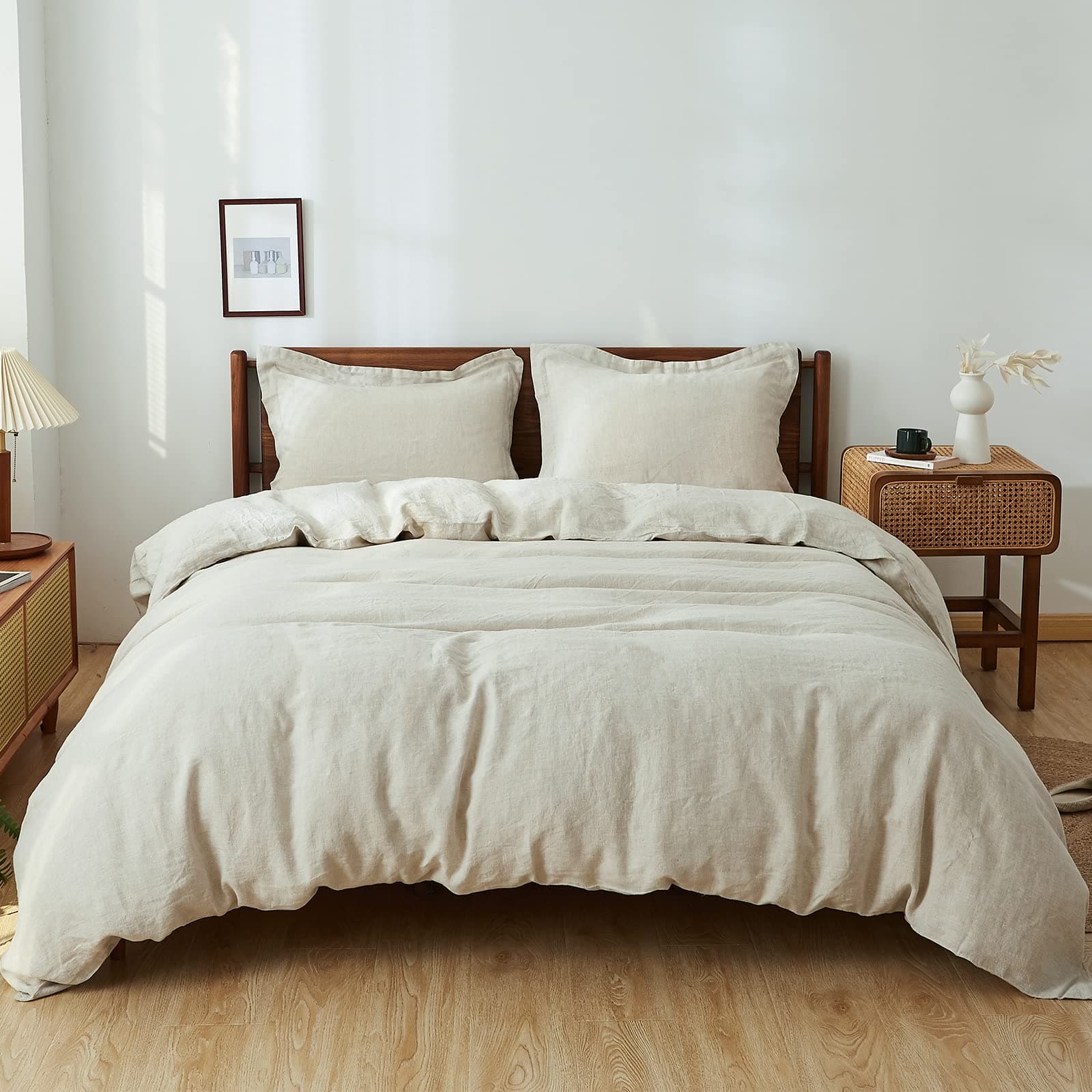
Simple Opulence 100% Washed Linen Duvet Cover Set
$65
100% French flax linen duvet cover in full/queen size. Stone-washed for softness. Set includes duvet cover and 2 pillowcases. Button closure. Gets softer with every wash. Available in 15+ colors. Machine washable.
If you're starting a texture layer from scratch, a linen duvet cover is the single best investment. It replaces whatever's on the bed now and immediately adds the dimensional quality that makes a bed look designed. Start here before adding anything else.
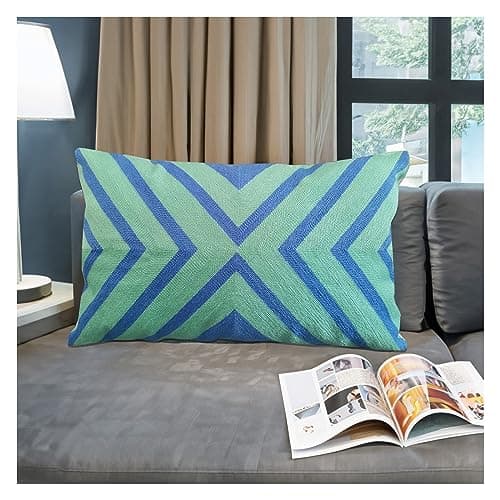
Aitliving Linen Decorative Pillow Cover Handmade
$18
Natural flax linen pillow cover, 12 x 20 in. lumbar. Handmade construction with visible woven texture. Envelope closure, no zipper. Available in natural, ivory, and gray. Pairs with cotton, velvet, or faux fur for contrast.
A linen lumbar pillow is the easiest way to add the texture without committing to new bedding. Place it in front of your sleeping pillows — the contrast of the flat, structured linen against softer surrounding pillows is immediately effective.
Best Velvet Pick: The Accent That Changes Everything
Velvet catches light differently at different angles, which is why velvet accent pillows always look more expensive than they are. The surface shifts between darker and lighter tones as the nap moves — that's the visual interest working for you.
You only need one or two velvet pieces. More than two and the luster starts to compete with itself.
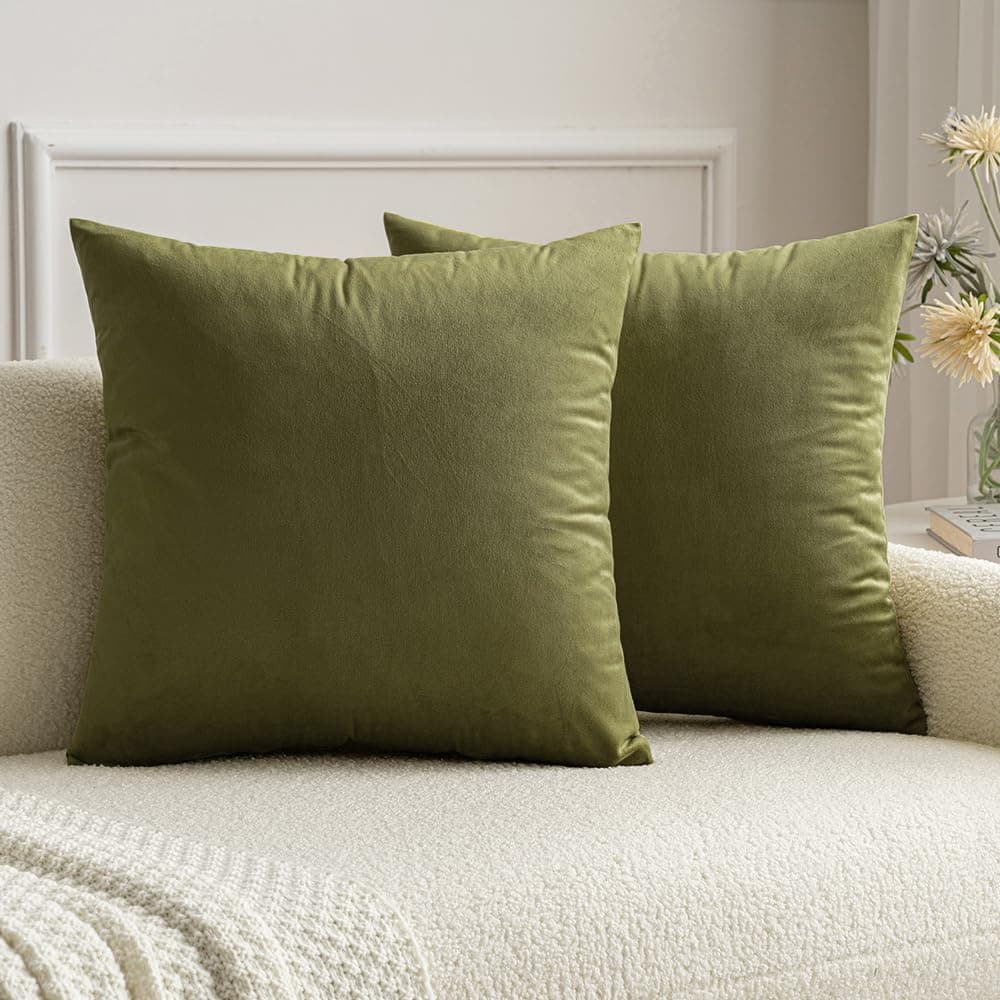
MIULEE Velvet Decorative Cushion Pillow Covers
$16
Set of 2 velvet pillow covers, 18 x 18 in. Smooth velvet with deep pile. Hidden zipper. Available in 35+ colors including sage, dusty rose, navy, mustard, and neutrals. Fits standard 18-in. inserts.
The MIULEE set is one of the best value plays in home decor. Two pillow covers for $16, in a color selection that covers every conceivable bedroom palette. The velvet quality is genuinely good — it doesn't pill or go flat after a few weeks the way budget velvet does.
Best Knit/Chunky Pick: The Lived-In Layer
A chunky knit throw at the foot of the bed does two things simultaneously: it adds the warmest, most dimensional texture in the room, and it signals that the bedroom is actually lived in and comfortable — not just staged.
The size and placement matter more than the specific product. A throw that's too small looks like a hand towel at the end of a king bed. You want something that drapes at least 40 inches wide.
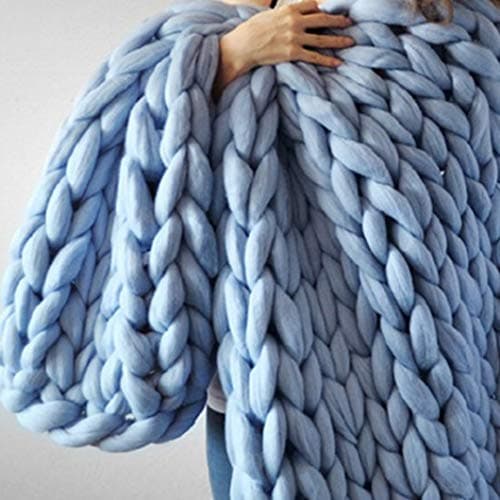
Amelie Home Luxury Handmade Chunky Knit Throw Blanket
$55
Handmade arm-knit throw blanket in a thick chunky loop pattern. Approx. 47 x 59 in. Merino wool-acrylic blend, warm without being heavy. Available in ivory, gray, and oatmeal. Drapes well at the foot of the bed or over a chair.
For placement: fold the throw loosely in thirds lengthwise and drape it across the foot of the bed, letting it fall naturally rather than trying to make it look neat. The casual drape is the point — it reads as comfortable rather than fussy.
Best Faux Fur Pick: The High-Impact Accent
Faux fur is the highest-contrast texture you can add to a bedroom, which means it has the most visual impact per piece and also the most risk of looking overwhelming. One piece is almost always exactly right. Two faux fur pieces usually tips into "too much."
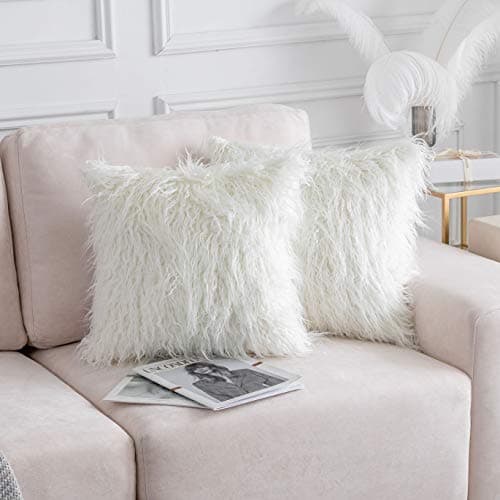
HOME BRILLIANT Faux Fur Decorative Cushion Pillow Cover
$18
Faux fur pillow cover, 20 x 20 in. Deep, plush pile in a soft faux fur texture. Hidden zipper. Available in ivory, caramel, gray, and blush. Pairs with linen and velvet for maximum texture contrast. Fits standard 20-in. insert.
Position the faux fur pillow at the center front of the pillow arrangement — it reads as an intentional statement piece there. In ivory or caramel, it works with virtually every neutral bedroom palette.
Best Overall Starter Kit: The Quick-Fix Combination
If you want to build the full texture layer in one purchase rather than piece by piece, a coordinated set gives you the linen, velvet, and knit elements in a single step.
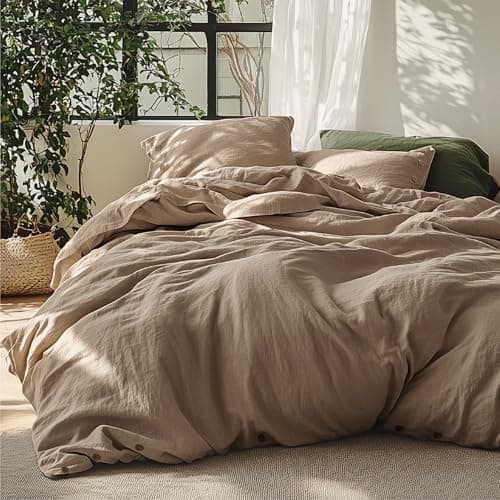
Bedsure Linen Duvet Cover Queen Bedroom Set
$58
Washed linen duvet cover and pillowcase set, queen size. Natural linen texture with a soft, relaxed drape. Button closure. Includes duvet cover plus 2 shams. Gets softer with washing. Available in stone, white, and natural.
The Bedsure linen set is the reliable midpoint option — not quite as fine as Simple Opulence but consistently well-reviewed and available at a slightly lower price point. Pair it with one MIULEE velvet pillow set and one HOME BRILLIANT faux fur pillow and you have the full three-texture layer for under $100.
How to Choose
The hardest part of texture mixing isn't finding the right pieces — it's knowing when to stop. Here's the decision framework:
Start with the bedding. If your current bedding has a flat, standard cotton look, that's the first thing to change. A linen duvet or even a linen duvet cover over your existing comforter transforms the baseline immediately.
Add one throw. Not two. One throw, folded at the foot of the bed or draped casually over a corner. Chunky knit for the most texture contrast; a lighter waffle-weave linen throw if you want something more subtle.
Add two accent pillows in a contrasting fabric. Velvet if the bedding is linen. Faux fur if everything else is smooth. Place them in front of your sleeping pillows.
Stop there and live with it for a week. Texture mixing is one of those things that looks better in restraint than in excess. If the bed looks good at three textures, you don't need a fourth.
Quick Tips
- Stick to the same general color temperature across all your textures: warm neutrals (ivory, oatmeal, caramel, dusty rose) or cool neutrals (white, gray, sage) — mixing warm and cool tones in textures creates visual confusion that's hard to diagnose.
- Linen wrinkles and that's fine — in fact, the wrinkles are part of the aesthetic. Fighting the wrinkles with heavy ironing removes exactly the relaxed quality that makes linen look good.
- Wash all new pillow covers before using them — this softens the fabric and removes any chemical smell from manufacturing.
- Don't match — coordinate. Your linen duvet doesn't need to be the exact same shade as your velvet pillow. They just need to be in the same color family.
- The throw doesn't need to match anything exactly either. A slightly off-neutral (warm cream against a white duvet, for example) reads as more intentional than a perfect match.
Ready to start layering? Save this post for when you're shopping — the brands and product names here are all ones worth searching for. Pin it for later so you can come back when you're ready to build your bedroom from the bed out.
Affiliate Disclosure
This post contains affiliate links. Haven & Home may earn a commission on purchases made through these links, at no extra cost to you. We only recommend products we genuinely love.
You Might Also Love
 Bedroom
8 Cotton Sheet Sets Under $80 for Hot Summer Sleepers
How to find breathable cotton sheets that actually keep hot sleepers cool through summer. Eight sets under $80 with real cooling reviews from sweat-prone sleepers.
 Bedroom
How to Quiet a Squeaky Bedroom Floor Without Pulling Up Boards
Squeaky bedroom floors do not require ripping up boards. Here are the specific products and fixes that actually work without calling a contractor.
 Bedroom
Why Sage Green Is Quietly Replacing Gray in Bedrooms
Something happened in bedroom Pinterest this past year. Gray is out, sage green is in, and the shift is happening one duvet cover at a time.