

The Acupressure Mat I Use Every Night Before Bed
My physical therapist suggested I try an acupressure mat. I Googled it and immediately thought she was trying to prank me.
It's a foam mat covered in hundreds of small plastic spikes, each one arranged in a flower pattern, designed for you to lie on voluntarily. It looks like something a magician would use for a trick, or a yoga prop for extremely confident people. I stared at it on my phone screen for a week before ordering one. When it arrived, I held it in my hands for another day before I actually tried it.
Then I tried it, and now it's in my bedroom and I use it every night.
How I Got Talked Into a Bed of Nails
My physical therapist had recommended it specifically for the tension I carry in my upper back and shoulders — the kind that builds up after long days at a desk and never fully releases no matter how many times I roll my shoulders back. She described it as "self-massage that keeps working for 20 minutes after you get off."
I was dubious. The thing has 221 plastic spikes per square inch or something — the number is printed on the box — and the description involves words like "stimulate blood flow" and "release endorphins" in the same sentence. It sounded like the kind of wellness product that does nothing expensive.
She assured me it was thirty dollars.
I bought the Shakti mat because it kept coming up in physical therapist recommendations and has been around long enough to have a track record. The mat comes with a matching neck pillow, which is the piece you actually need most — lying with your neck unsupported on a flat mat is uncomfortable in a different way than the spikes.
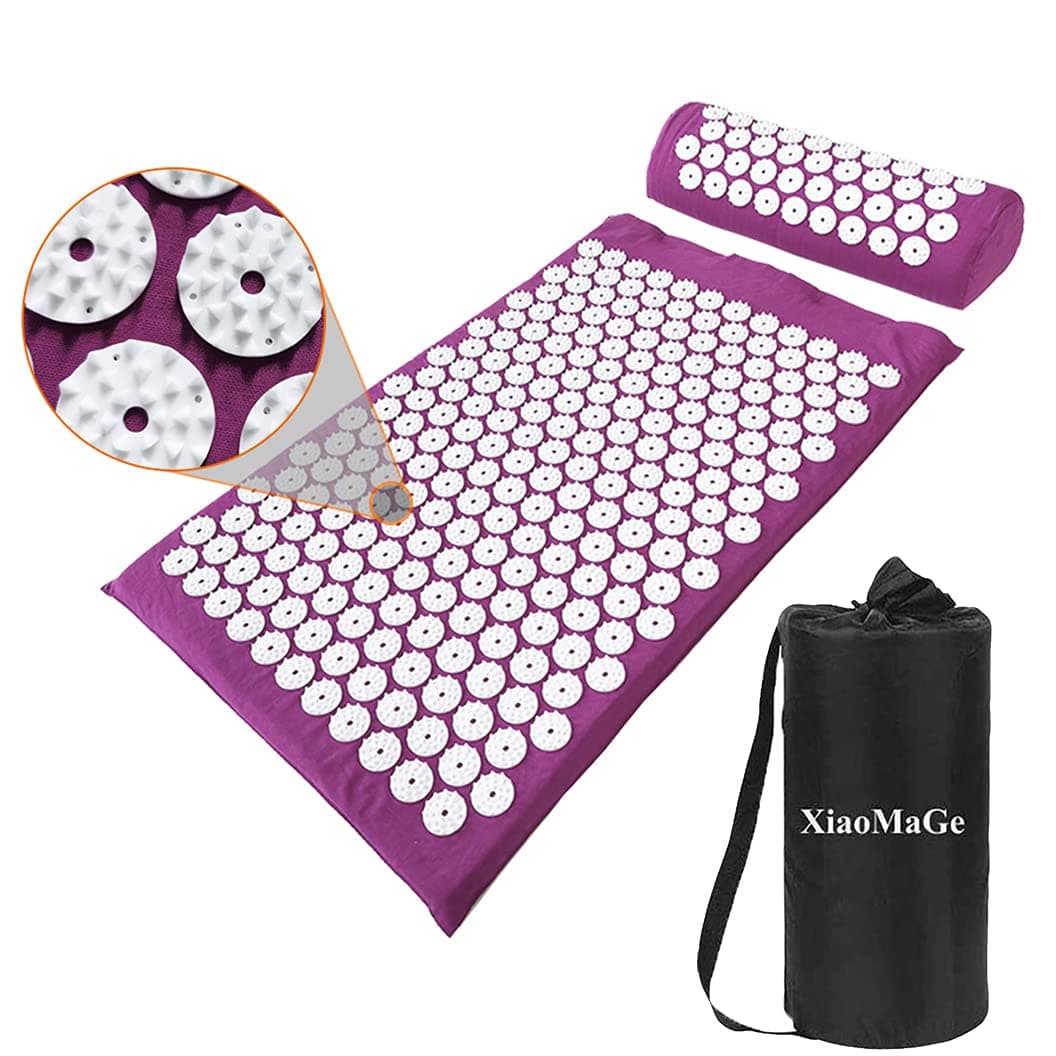
Shakti Acupressure Mat and Pillow Set
$33
Large mat (29 x 17 in.) plus neck pillow. 6,210 acupressure points. Cotton cover, foam base. The original acupressure mat brand.
The First Week Was Weird
The first time I used it, I lasted about four minutes. Not because it was unbearable — more because it was so distracting and strange that I couldn't relax. It feels like lying on warm gravel, but gravel that's somehow also vibrating slightly. Your back goes through stages: sharp discomfort, then heat, then something that's hard to describe as anything other than buzzing.
I got off it, waited for the sensation to fade (about two minutes), and immediately wanted to do it again.
By day three I was staying on for fifteen minutes. By the end of the first week I was up to twenty and falling asleep in a different way than usual — less on alert, more like I'd been switched off.
What I hadn't anticipated: the mat does something to my shoulder and neck tension that stretching doesn't fully accomplish. I do yoga. I do the shoulder rolls. None of it gets the specific knot at the base of my neck the way twenty minutes on this mat does.
The neck pillow is genuinely the better part of the set for me personally. I use it under my neck while I watch something before bed and it's become a completely separate non-sleep habit.
What Changed After a Month
At the one-month mark, I could describe the results honestly: I fall asleep faster. Not dramatically, not in a way that would show up on a sleep study, but consistently fifteen to twenty minutes faster than before. The transition from "awake and aware" to "actually asleep" feels less effortful.
The back tension I was carrying — the specific band across my upper shoulders — is meaningfully better. Not gone, because I still sit at a desk, but reduced enough that my physical therapist noticed without me mentioning it.
I also started using a foam roller in combination with the mat, which is a completely different kind of pressure. The mat is sustained contact in many small points. The roller is movement across one ridge. They do different things, and I wouldn't have ended up using both if I hadn't started with the mat first.
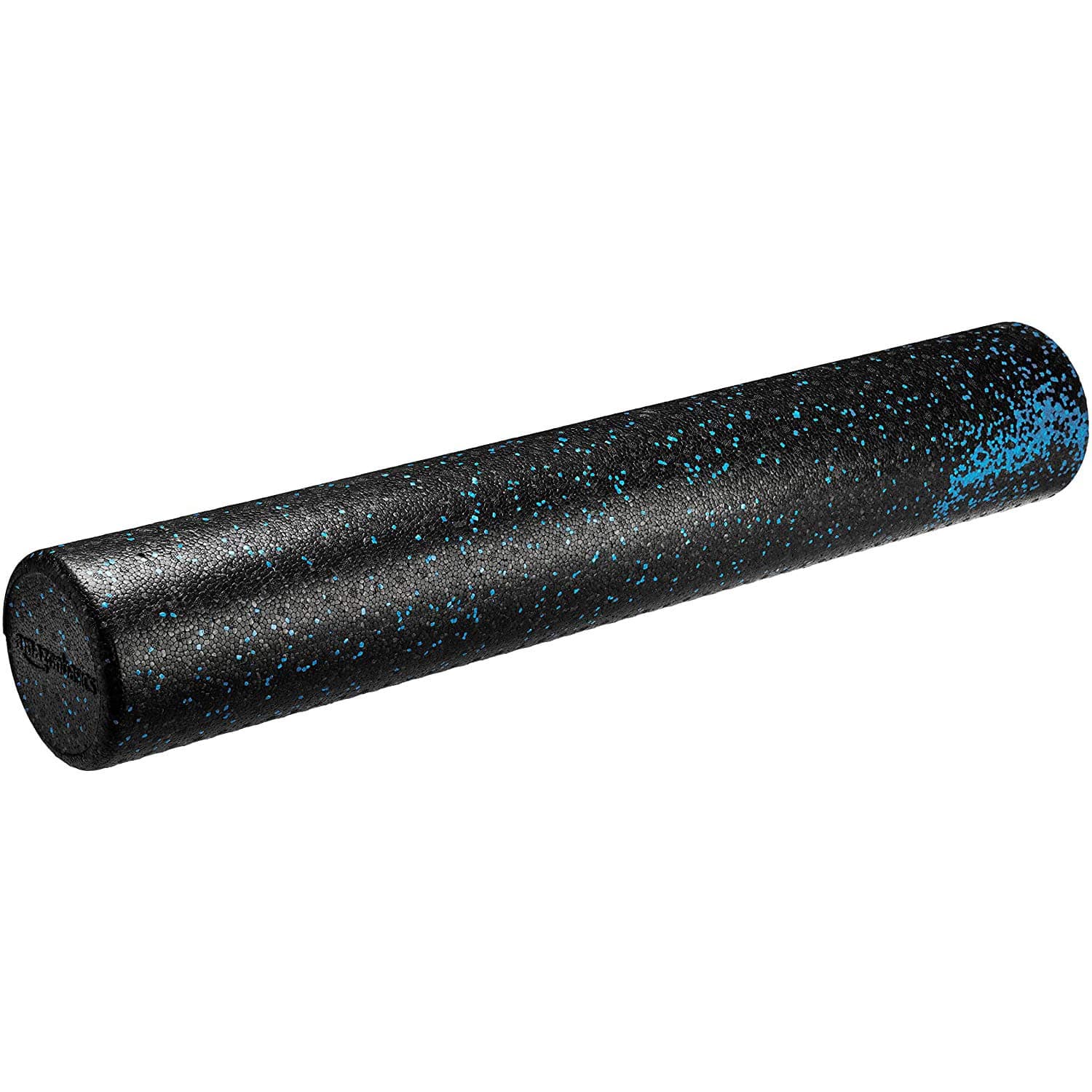
TriggerPoint GRID Foam Roller
$35
Multi-density surface mimics a massage therapist's hands. 13 in. length, hollow core for durability. Used by physical therapists.
The second thing I added: a weighted eye pillow. Sounds insignificant. But if you're someone who can't fully turn off visual processing at the end of the day, the gentle pressure of a weighted eye pillow across your eyes while you're on the mat is actually meaningful. It has the same principle as a weighted blanket — light, consistent pressure triggers the parasympathetic response.
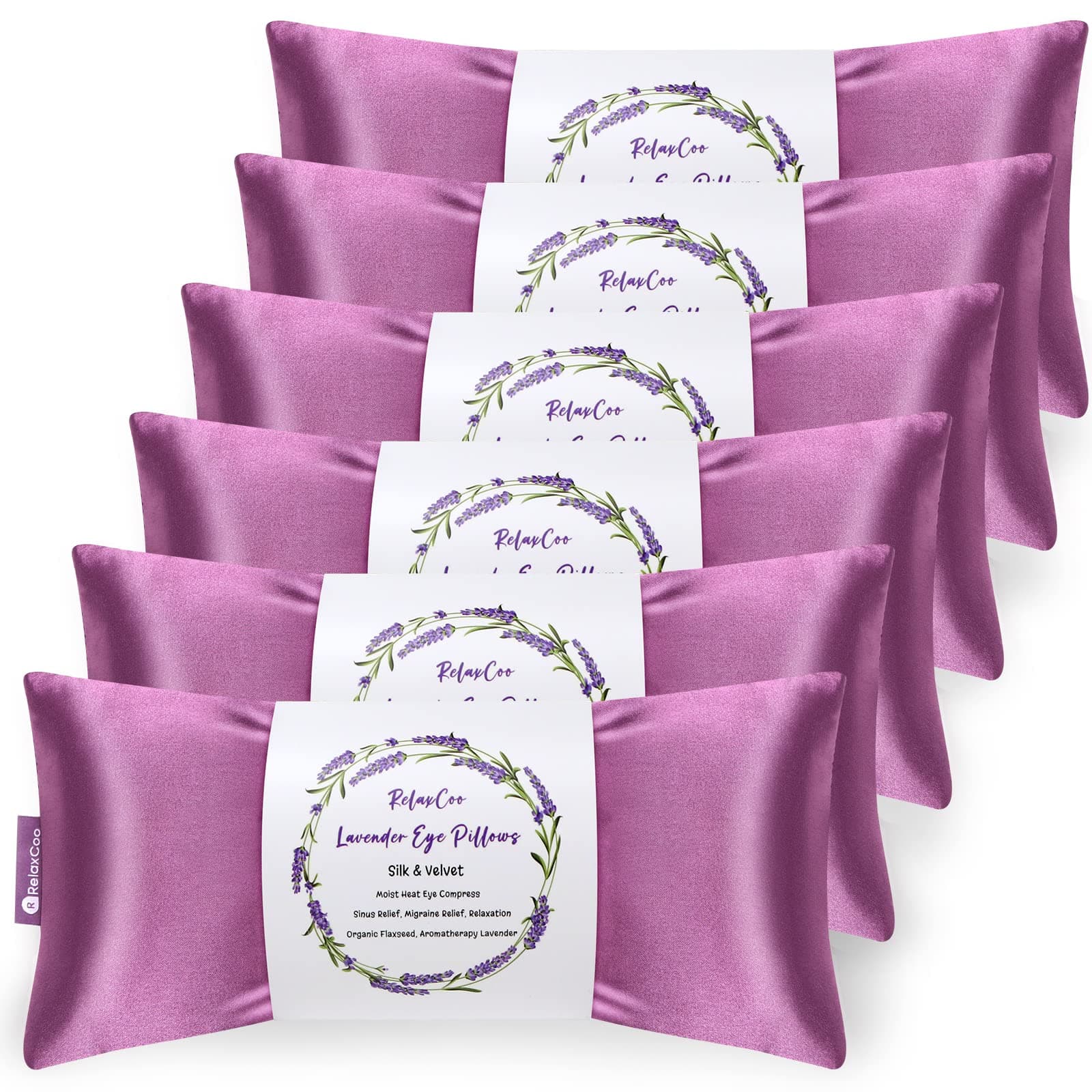
Lavender Weighted Eye Pillow for Sleep and Yoga
$16
Flaxseed and lavender fill, light pressure. Use chilled or room temperature. Blocks light, promotes relaxation. Washable cover.
The Mat for Neck Tension Specifically
I want to say a specific thing about the neck pillow because I underrated it at first. If you sleep on your back or have forward-head posture from being on a phone or computer, the neck pillow's curve supports the natural cervical curve in a way that most pillows don't.
Lying on it for twenty minutes isn't a cervical traction device. It's not physical therapy. But it does passively stretch the muscles along the back of the neck in a way that feels like releasing a clenched fist — slow, steady, noticeable.
The mat-plus-pillow set is worth it just for the pillow. I'd buy the pillow separately if I had to.
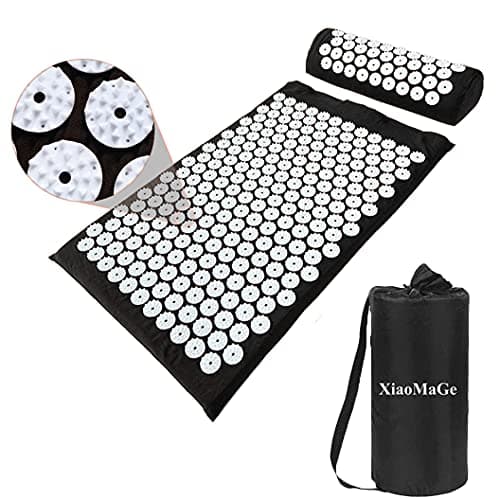
Pranamat ECO Acupressure Neck Pillow
$29
Curved design supports the natural cervical curve. Acupressure points across the entire surface. Eco-friendly materials.
What I'd Buy First If I Were Starting Over
The Shakti mat and pillow set. Not the pillow alone, not the mat alone — the combination. Because the pillow alone doesn't give you the whole-back release, and the mat alone without neck support just adds a different kind of tension.
Twenty minutes before bed. Lie flat, arms at your sides, let the first five minutes of discomfort pass without getting off. The heat and the buzz will come. By fifteen minutes you're somewhere between meditation and sleep, which is exactly where you want to be before you actually go to sleep.
My physical therapist was right. I was wrong. The spiky mat does the thing.
Quick Tips
- Wear a thin cotton t-shirt the first few times — it reduces the sharpness enough to stay on longer while you're acclimating
- Start with ten minutes and add five minutes per session rather than trying to go twenty minutes from day one
- The mat works best on a firm surface — a carpeted floor or a yoga mat underneath is better than directly on a soft mattress
- The colors don't matter for function, but darker mats hide wear better over time
- Don't use it directly after eating — wait at least an hour
Pin this for later so you don't lose it!
Affiliate Disclosure
This post contains affiliate links. Haven & Home may earn a commission on purchases made through these links, at no extra cost to you. We only recommend products we genuinely love.
You Might Also Love
 Bedroom
8 Cotton Sheet Sets Under $80 for Hot Summer Sleepers
How to find breathable cotton sheets that actually keep hot sleepers cool through summer. Eight sets under $80 with real cooling reviews from sweat-prone sleepers.
 Bedroom
How to Quiet a Squeaky Bedroom Floor Without Pulling Up Boards
Squeaky bedroom floors do not require ripping up boards. Here are the specific products and fixes that actually work without calling a contractor.
 Bedroom
Why Sage Green Is Quietly Replacing Gray in Bedrooms
Something happened in bedroom Pinterest this past year. Gray is out, sage green is in, and the shift is happening one duvet cover at a time.